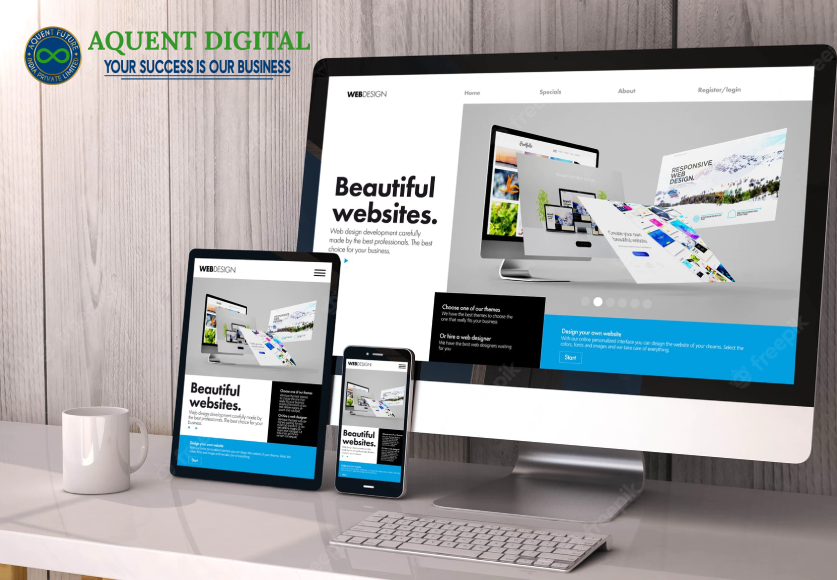
Why Every Business Needs a Professional Website in 2026

In today’s rapidly evolving digital landscape, a professional website is more than just an online presence—it is the foundation of your brand’s identity. Consumers now rely heavily on online research before making purchasing decisions. If your business does not have a well-designed and informative website, you risk losing potential customers to competitors who do.

A professional website establishes credibility and builds trust. When users visit a clean, responsive, and informative website, they perceive the business as reliable and professional. On the other hand, outdated or poorly designed websites can negatively impact brand perception.

Moreover, a website acts as a 24/7 marketing tool. Unlike physical stores with limited operating hours, your website continuously showcases your products, services, testimonials, and contact information. With proper SEO optimization, your website can attract organic traffic from search engines, generating consistent leads without ongoing advertising costs.

In 2026, mobile optimization, fast loading speed, and secure browsing are essential components of a successful website. Businesses must invest in modern web technologies to stay competitive and meet user expectations.

At Aquent Digital IT Services, we help businesses build professional, scalable, and future-ready websites that drive measurable results. Investing in a high-quality website today ensures long-term growth and digital success tomorrow.

The Power of Digital Marketing for Business Growth

In today’s competitive business environment, digital marketing has become one of the most powerful tools for companies looking to grow their brand, reach new customers, and increase revenue. With more people spending time online than ever before, businesses must establish a strong digital presence to stay relevant. Digital marketing allows organizations to connect with their target audience through multiple online channels such as search engines, social media platforms, email campaigns, and websites. Unlike traditional marketing methods, digital marketing provides measurable results and real-time insights that help businesses make smarter marketing decisions.

One of the biggest advantages of digital marketing is its ability to reach a global audience while remaining cost-effective. Even small businesses with limited marketing budgets can compete with larger companies by using strategic digital campaigns. Platforms like social media and search engines allow businesses to target specific audiences based on demographics, interests, behavior, and location. This targeted approach ensures that marketing efforts reach the people who are most likely to be interested in a company’s products or services.

Search engine optimization (SEO) plays a vital role in digital marketing. When potential customers search online for products or services, businesses that appear at the top of search results are more likely to receive traffic and leads. SEO helps improve a website’s visibility by optimizing content, keywords, page structure, and technical performance. A well-optimized website not only attracts more visitors but also builds trust and credibility with potential customers.

Social media marketing is another powerful component of digital marketing. Platforms such as Facebook, Instagram, LinkedIn, and others allow businesses to engage directly with their audience. Through regular posts, advertisements, and interactive content, companies can build brand awareness, strengthen customer relationships, and drive traffic to their websites. Social media also gives businesses the opportunity to receive direct feedback from customers, which can help improve products and services.

Content marketing also plays a major role in business growth. High-quality blogs, articles, videos, and infographics provide valuable information to potential customers while establishing a company as an authority in its industry. When businesses consistently create informative and helpful content, they build trust with their audience. Over time, this trust can lead to higher conversion rates and long-term customer relationships.

Email marketing remains one of the most effective digital marketing strategies for nurturing leads and maintaining customer engagement. Businesses can send personalized offers, newsletters, product updates, and promotional campaigns directly to their audience’s inbox. Because email marketing allows companies to communicate directly with potential and existing customers, it often produces a strong return on investment when used strategically.

Another key benefit of digital marketing is data-driven decision making. Marketing tools and analytics platforms provide detailed insights into customer behavior, campaign performance, and user engagement. Businesses can track metrics such as website traffic, click-through rates, conversions, and customer interactions. This data helps companies understand what strategies are working and where improvements are needed, allowing them to continuously optimize their marketing efforts.

In addition, digital marketing helps businesses build stronger brand identity and recognition. Consistent branding across websites, social media platforms, and advertising campaigns helps customers easily recognize and remember a brand. Over time, this familiarity builds trust and loyalty, which are essential for long-term business success.

Ultimately, the power of digital marketing lies in its flexibility, reach, and measurable impact. Businesses that invest in well-planned digital marketing strategies can attract new customers, strengthen their brand presence, and achieve sustainable growth in an increasingly digital world. As technology continues to evolve, digital marketing will remain a crucial component of modern business success.


How Responsive Web Design Improves User Experience

In the modern digital landscape, people access websites from a wide range of devices, including smartphones, tablets, laptops, and desktop computers. Because of this diversity in screen sizes and devices, businesses must ensure that their websites provide a seamless browsing experience across all platforms. Responsive web design is a design approach that allows a website to automatically adjust its layout, images, and content to fit different screen sizes. By doing so, it significantly improves the overall user experience and helps businesses retain more visitors.

User experience plays a critical role in determining whether visitors stay on a website or leave within seconds. If a website is difficult to navigate, loads slowly, or appears broken on a mobile device, users are likely to abandon it and move to a competitor’s site. Responsive web design eliminates these issues by ensuring that the website remains functional, visually appealing, and easy to navigate regardless of the device being used.

One of the main benefits of responsive web design is improved readability and accessibility. When a website is responsive, text automatically resizes, images adjust proportionally, and page elements rearrange themselves to fit the screen. This means users do not have to zoom in or scroll horizontally to read content. A clean and readable layout makes it easier for visitors to find information quickly, which enhances their overall browsing experience.

Navigation is another important factor in user experience. Responsive websites optimize menus, buttons, and links for touchscreens and smaller displays. Mobile-friendly navigation ensures that users can easily move between pages, explore services, or complete actions such as filling out forms or making purchases. A well-designed navigation system reduces frustration and encourages users to spend more time on the website.

Website performance also improves with responsive design. Responsive websites are often optimized to load faster on mobile devices by using flexible images and efficient coding techniques. Faster loading times are essential because modern users expect websites to load within a few seconds. A slow website can lead to higher bounce rates and lost business opportunities.

Responsive design also plays an important role in search engine optimization. Search engines prioritize websites that provide a good mobile experience, and mobile-friendly websites often rank higher in search results. By implementing responsive design, businesses improve their chances of attracting organic traffic from search engines while providing a better experience for users.

Another advantage of responsive web design is consistency across devices. Users may visit the same website from different devices throughout the day—for example, browsing on a smartphone during travel and later accessing the site on a desktop at home or work. A responsive website ensures that the design, branding, and functionality remain consistent across all devices, which helps build trust and familiarity with the brand.

From a business perspective, responsive web design also simplifies website management. Instead of creating separate versions of a website for desktop and mobile users, businesses can maintain a single responsive site. This reduces development costs, simplifies updates, and ensures that content remains consistent across all platforms.

In addition, responsive websites are better suited for future technological developments. As new devices with varying screen sizes continue to emerge, responsive design ensures that websites remain adaptable and functional. This flexibility helps businesses stay prepared for future changes in technology and user behavior.

In conclusion, responsive web design is a critical element of modern website development. By providing a seamless and user-friendly experience across all devices, responsive design improves accessibility, usability, and performance. Businesses that invest in responsive design not only enhance user satisfaction but also strengthen their online presence and improve their chances of long-term success in the digital marketplace.

Ready to Grow Your Business Online?
Talk to Our Experts Today

Let’s create a powerful digital presence that drives real results.

WhatsApp Icon